
6 min read
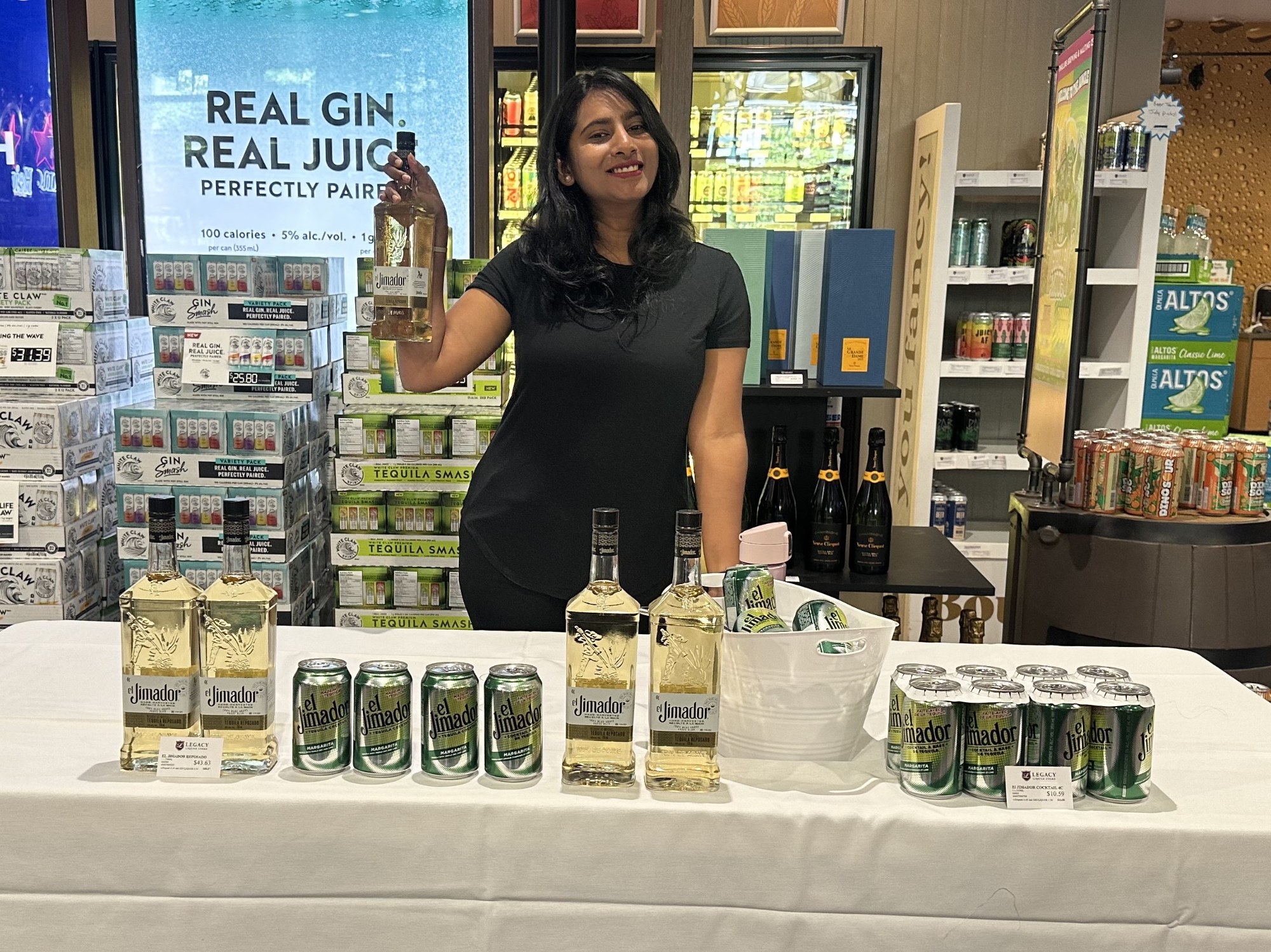
Every province runs liquor sampling its own way. The certification a taster needs, who is allowed to pour, how much they can pour and how a tasting gets booked all change when you cross a provincial line. Whether you are a brand planning in-store tastings or a taster pouring them, here is how it works across Canada, and why the rules are there.
The one rule everywhere: certified staff
In most provinces, anyone pouring alcohol for customers needs that province’s responsible service certification. It is the first thing a store manager may ask to see, and an uncertified taster can put both your tasting and the store’s licence at risk.
| Province | Certification for liquor tasters |
|---|---|
| British Columbia | Serving It Right (mandatory) |
| Alberta | ProServe (mandatory) |
| Ontario | Smart Serve (mandatory for LCBO tastings) |
| Saskatchewan | Serve It Right Saskatchewan (mandatory for retail liquor store staff) |
| Manitoba | Smart Choices (mandatory for anyone who serves or sells liquor) |
| Quebec | Requirements vary by retailer, so confirm with the store before booking |
| Nova Scotia | Responsible alcohol service course, required in bars and restaurants since December 2024. Confirm with the NSLC for store tastings |
Certification is set province by province. Some provinces accept an equivalent certificate from elsewhere for certain roles, but the safe plan is a taster certified in the province where they pour.
Sources: Serving It Right, AGLC ProServe, LCBO In-Store Tasting Program, Serve It Right Saskatchewan, Manitoba Smart Choices, Nova Scotia training rules
Ontario: the LCBO In-Store Tasting Program
Ontario has the most structured system in the country. Tastings in LCBO stores are booked through the LCBO’s own program, not directly with the store.
- Booking: suppliers and agents apply through the LCBO’s trading partner system, about seven weeks before each tasting period (nine weeks for enhanced tastings). Spots are allocated, so plan ahead.
- Who pours: in A class stores and lower, a qualified agency or third party demonstrator can run the tasting. In the busiest AA and AAA stores, only LCBO employees can pour, with a few exceptions such as Ontario producers.
- Certification: every person running a tasting needs Smart Serve and the Access Forward customer service module. If food is served, a food handler certificate is needed too.
- Products: up to two products per tasting, or three for drinks at 7% alcohol or less. The product must already be listed in that store.
- Spirits: every spirits tasting needs a mix on the table, even if it is only soda water. The LCBO treats this as a social responsibility rule, and stores watch for it.
- Food: only allowed at enhanced tastings. That includes chips and crackers.
- Pours and ID: the LCBO sets sample sizes and notices oversized pours. ID is checked for anyone who looks under 25, refusals are logged for the store, and customers drink their sample at the table.
- Staff: a maximum of two demonstrators per tasting, dressed modestly with legs, shoulders and midriff covered and closed toe shoes. Before leaving, the demonstrator makes sure the tasting update is processed with the store.
- Fees: the LCBO charges a fee per tasting, which includes a $25 charitable contribution, plus the product used at cost.
- Cancelling: at least six weeks’ notice, or you pay the fees anyway.
Sources: LCBO In-Store Tasting Requirements, LCBO In-Store Tasting Program
British Columbia
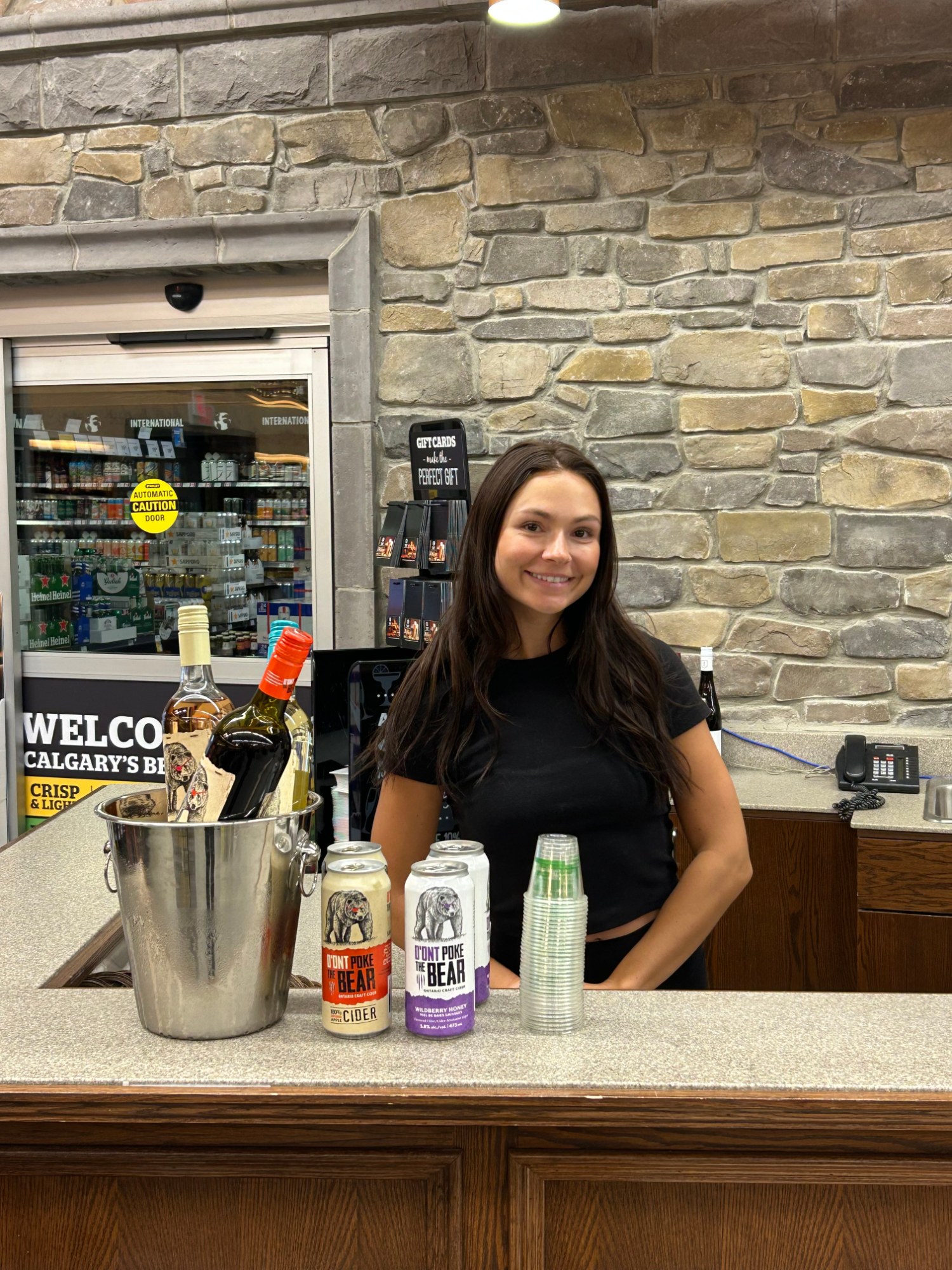
BC’s private liquor stores and BC Liquor Stores both host tastings, and brands usually arrange them store by store. BC caps sampling at half a standard serving per customer, per day: 75 ml of wine, 175 ml of beer or 20 ml of spirits, split across samples however the store chooses. Stores may charge a small fee for samples of pricier products, and two manufacturers or agents can sample in the same store at the same time. Every taster needs Serving It Right.
Sources: BC government sampling rules, Who needs Serving It Right
Alberta
Alberta’s liquor stores are all privately run, so each store or chain sets its own tasting calendar. The AGLC sets the largest sample a taster can pour: 112 ml (4 oz) of beer, cider or coolers, 56 ml (2 oz) of wine, and 28 ml (1 oz) of spirits or liqueurs.
When a liquor agency runs the tasting, samples must be free to customers. The agency buys the product from the store at the store’s cost, the tasting table must be staffed the whole time, and tastings cannot move outside the store to a patio or tent. The store and the agency both keep a written record of each tasting. Every taster needs ProServe.
Source: AGLC Retail Liquor Store Handbook, section 7.5 Liquor Tastings
Quebec and the rest of Canada
In Quebec, much of the sampling happens in SAQ stores and in grocery and dépanneur chains, which carry wine and beer. Bilingual tasters are a must. In Saskatchewan and Manitoba, retail liquor staff must hold the provincial course, and in the Maritimes each provincial liquor corporation sets its own tasting rules, so store access varies a lot by chain. Buzz Promotions staffs tastings in every province and checks each region’s requirements before the first shift.
Why the rules matter
Every rule above comes back to one thing: the store’s liquor licence is on the line at every tasting. If a minor is served, a customer is given too much, or the person pouring is not certified, the store can be fined or lose the right to host tastings, and the brand can lose its spot in the program. Following the rules protects the store, the brand and the taster at the same time. That is also why good agencies are strict about them.
For brands: what to expect from your tasting team
- Tasters certified for the right province, with proof on file
- Small, careful pours that stay inside the local limits
- ID checks and polite refusals, logged for the store
- Setup and cleanup that keeps store managers happy to have you back
- A report after each tasting with sales, customer comments and photos
You choose and book the stores and dates. We make sure every shift is staffed by someone who knows the rules and the product.
For tasters: what is expected of you, and why
- Get certified before your first shift. Your certificate is your permission to pour. Keep a copy on your phone, because a store manager can ask to see it at any time.
- Arrive at least 10 minutes early. Finding the manager, setting up the table and getting product ready takes time, and a tasting that starts late misses customers.
- Pour small and keep count. Sample limits apply to each customer, and in some provinces to each day. Oversized pours are one of the first things a store notices.
- Check ID every time it is needed. Ask anyone who looks under 25. Politely saying no is part of the job, never a mistake, and refusals get logged for the store.
- Never serve someone who seems intoxicated. Customers drink their sample at the table and do not walk the store with it.
- Follow the store’s own rules. A mix on the table for spirits in Ontario, no food unless it is allowed, and a modest dress code.
- Close out before you leave. Clean the table, finish the store’s paperwork and send your report. The report shows the brand the tasting worked, and that is what brings the next booking.
Are you a certified taster or brand ambassador looking for tasting work? Buzz Promotions is always glad to hear from experienced, reliable people in every province.
Need certified tasters in BC, Alberta, Ontario or anywhere else in Canada? Request a quote.
Rules change. This guide is general information as of November 2026, not legal advice. Always confirm with the provincial liquor authority and the store.
© 2026 Buzz Promotions™. All rights reserved. This guide is original content owned by Buzz Promotions. No part of it may be copied, reproduced, republished or adapted, in print or online, without our written permission. You are welcome to share a link to this page.